
Age-related macular degeneration (AMD) is a chronic disease where the macula, the central portion of the retina, deteriorates, leading to loss of sharp central vision. The retina lines the back of the eye and converts light into signals sent to the brain; when the macula is damaged, tasks like reading, driving and recognizing faces become difficult. AMD is the leading cause of significant vision loss in people over fifty. It affects central, not peripheral, vision, so most patients retain some usable sight.
Macular Degeneration
Types and Stages
Symptoms in Detail
Early dry AMD may not cause noticeable symptoms. As the disease advances, patients might notice distortion of straight lines (metamorphopsia), decreased brightness or intensity of colors, or blank spots in central vision. Wet AMD often leads to a sudden or gradual decrease in central vision, blind spots or dark, blurry areas. It is recommended to use an Amsler grid, a simple grid of straight lines at home to detect distortion, and report any changes promptly. AMD does not typically cause pain, and peripheral vision usually remains intact.
Risk Factors and Causes
The exact cause is unknown, but several factors increase risk. Age is the strongest predictor; prevalence increases greatly after fifty. Genetics play a role: people with a family history of AMD are at higher risk. Smoking significantly increases both risk and progression. Other factors include Caucasian race, high cholesterol, high blood pressure, cardiovascular disease, obesity, diets low in antioxidants or fish, and high body mass index. Having these factors does not guarantee you will develop AMD, and some people develop AMD without obvious risk factors.
Diagnostic Evaluation
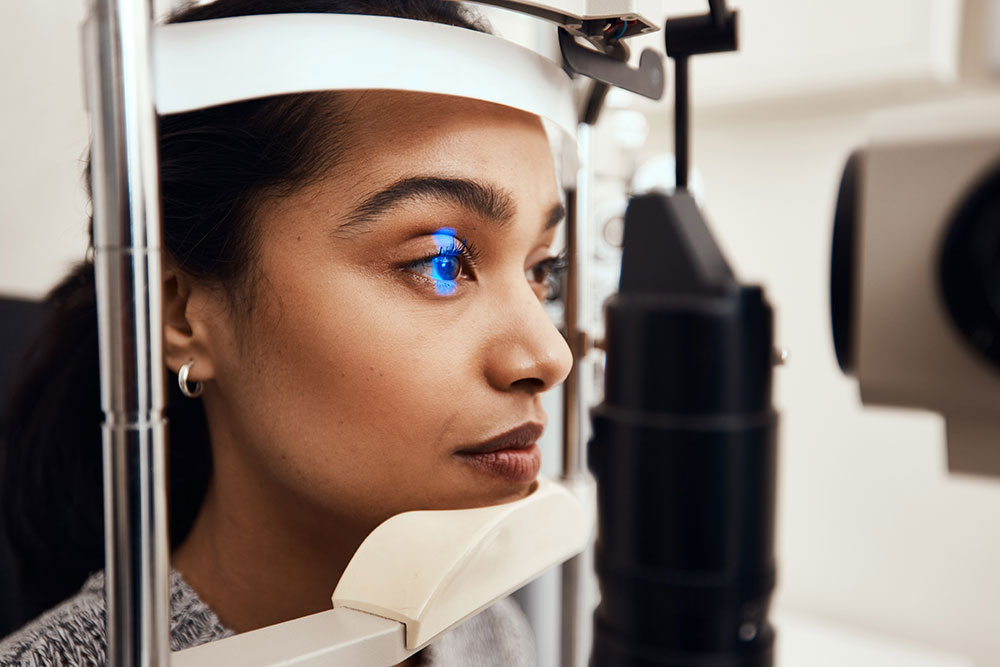
Diagnosis begins with a comprehensive, dilated eye exam. A retina specialist uses a slit lamp to look for drusen, pigment changes or fluid. Imaging tests such as fluorescein angiography (a dye study of the retina’s blood vessels), indocyanine green angiography and optical coherence tomography (OCT) help distinguish dry from wet AMD and measure damage. OCT is particularly valuable for monitoring subtle fluid accumulation.
Treatment Options for Macular Degeneration
Lifestyle Modification and Nutritional Supplements
The Age-Related Eye Disease Studies (AREDS) showed that a specific high-dose formulation of antioxidants and minerals, vitamin C, vitamin E, zinc, copper, lutein and zeaxanthin, can reduce the risk of intermediate dry AMD progressing to advanced disease. Note that these supplements do not prevent AMD in people without it but may benefit those with intermediate or advanced dry AMD when recommended by a physician. Lifestyle changes can support eye health. Quitting smoking, eating a diet rich in leafy greens and omega-3 fatty acids, exercising regularly and controlling blood pressure and cholesterol are recommended lifestyle changes. It is also advised to wear sunglasses and wide-brimmed hats to protect eyes from ultraviolet light, another suspected risk factor.
Living With AMD and Low-Vision Support
Macular degeneration requires lifelong monitoring. Even with treatment, patients should schedule follow-up visits as recommended and contact their doctor if they notice vision changes. Low-vision services and devices such as magnifiers, special reading lights and large-print materials help people adapt. Vision rehabilitation specialists and support groups offer training and emotional support. AMD rarely causes complete blindness and many people maintain independence through adaptive strategies and timely care.
When to Seek Care
It is recommended for adults over fifty to have yearly dilated eye exams. Patients with known AMD should watch for sudden changes in vision, use an Amsler grid and notify their specialist if straight lines appear wavy or if dark spots develop. Early detection of wet AMD can preserve sight; missed injections may allow irreversible damage.
Our Practice Locations and Physicians
With six locations across the upstate, our team is able to conveniently serve you in treating your macular degeneration.
Learn more about our locations and the physicians serving at each practice.